The Connection Between Stress and Physical Pain
Stress doesn't just affect your mind, it can have a significant impact on your body as well. When you're under stress, your muscles naturally tighten as part of your body's "fight or flight" response. While this reaction is helpful in short bursts, ongoing stress can cause muscles to remain tense, leading to aches, stiffness, and chronic discomfort.
Many people carry stress in their neck, shoulders, back, and jaw. Over time, this muscle tension can contribute to headaches, limited mobility, and persistent pain that makes everyday activities less enjoyable. Stress can also affect your sleep, energy levels, and overall sense of well-being, creating a cycle where pain causes more stress, and stress causes more pain.
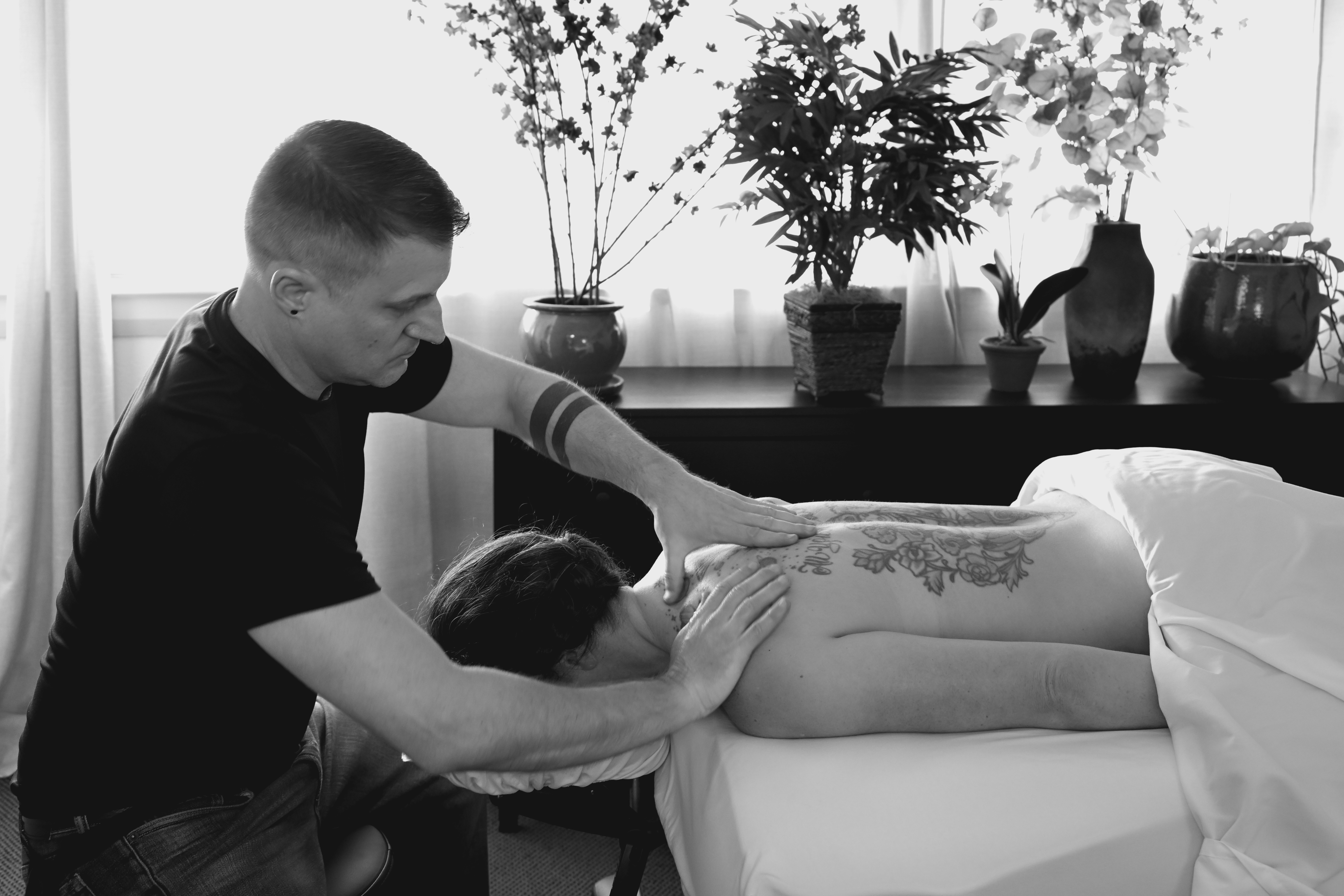
Massage therapy can help interrupt this cycle. By relaxing tight muscles, increasing circulation, and encouraging your body to shift into a more relaxed state, massage may reduce physical tension while promoting a greater sense of calm. Many clients report feeling not only physically better after a massage but also mentally refreshed and better equipped to handle everyday stress.
While massage isn't a cure for stress, it can be an effective part of a healthy self-care routine. Combined with regular exercise, quality sleep, and stress management techniques, massage therapy can help you feel more comfortable, relaxed, and resilient. Taking time to care for your body is one of the best investments you can make in your overall health.


