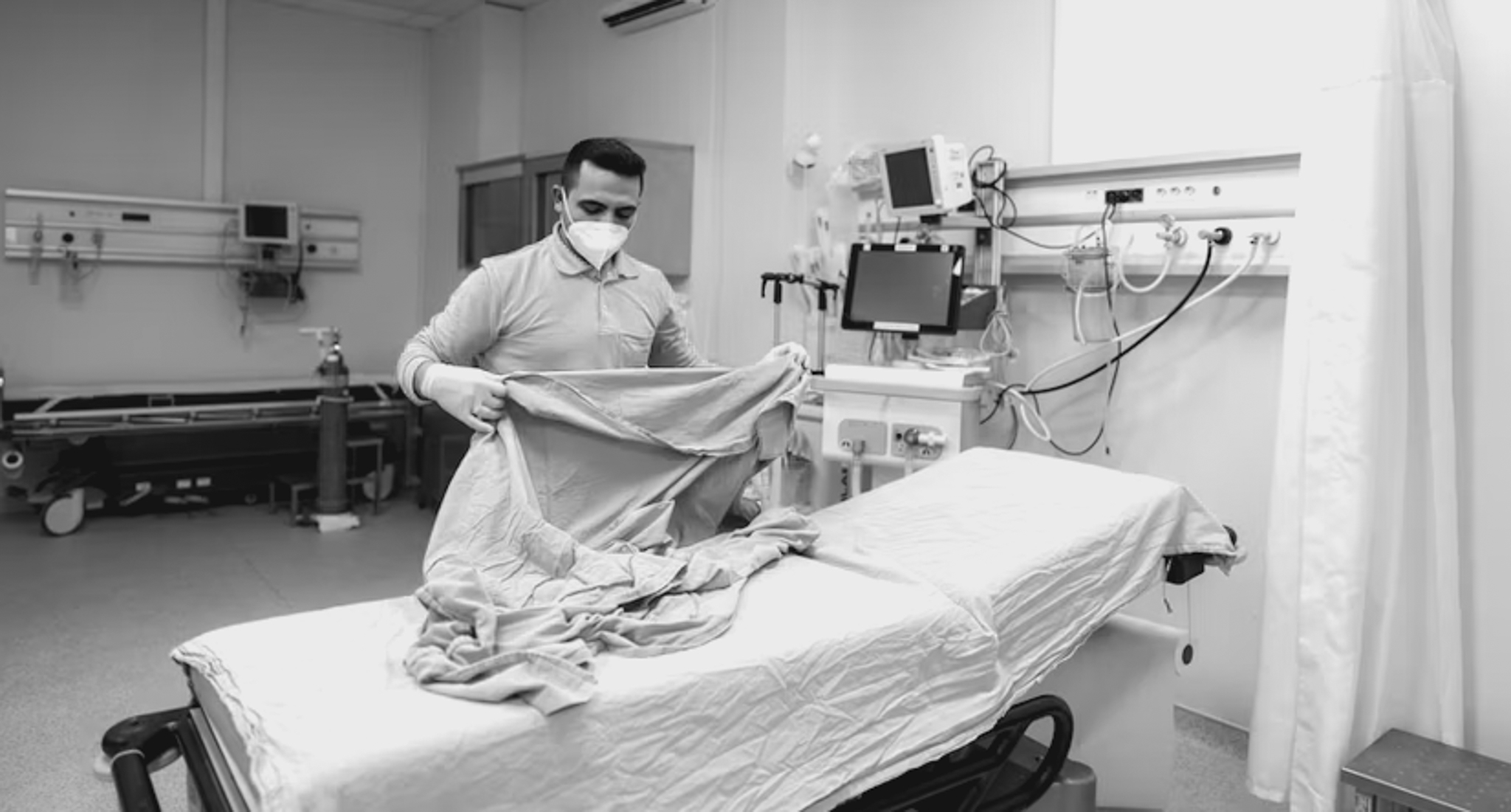
Back-Smart Patient Transfers: Protecting Healthcare Workers (and Recovering with Massage)
Healthcare work is physical work. Between boosting patients up in bed, assisting with transfers, and catching someone who’s losing balance, your back can take a beating, especially when you’re tired, rushed, or working in tight spaces. The goal isn’t to “lift better” with brute strength. It’s to use leverage, positioning, and teamwork so your spine isn’t the price you pay for doing your job well.
A lot of back injuries happen during the transition moments: twisting while reaching, lifting with arms extended, or moving a patient when the bed is too low. Before you touch the patient, set yourself up. Raise the bed to around waist height when possible, clear obstacles, and get the chair/wheelchair close enough that you’re not lunging. Keep the patient (and the load) close to your center of mass. The farther the weight is from you, the more stress your low back absorbs.
When transferring, think “hips and legs, not back and arms.” Use a staggered stance, hinge at the hips, and keep your spine neutral (not rounded). Pivot with your feet instead of twisting through your torso. Communicate clearly: count down (“On 3…”) so you and the patient move together. And whenever you can, use the tools—gait belts, slide sheets, transfer boards, mechanical lifts. They’re not a sign of weakness; they’re an injury-prevention system.
Strength helps too—especially glutes, core, and upper back endurance, but recovery is the missing piece for many healthcare workers. Repetitive lifting and stress can leave your lumbar muscles, hip flexors, glutes, and upper back in a constant state of guarding. Regular massage therapy supports recovery by improving circulation, reducing muscle tone in overworked areas, and helping you maintain mobility in the hips and thoracic spine, two places that often get stiff and force the low back to compensate.
If your job requires you to lift people, treat bodywork like equipment maintenance: not a luxury, but part of staying durable. Your patients need you strong and your spine does too.


